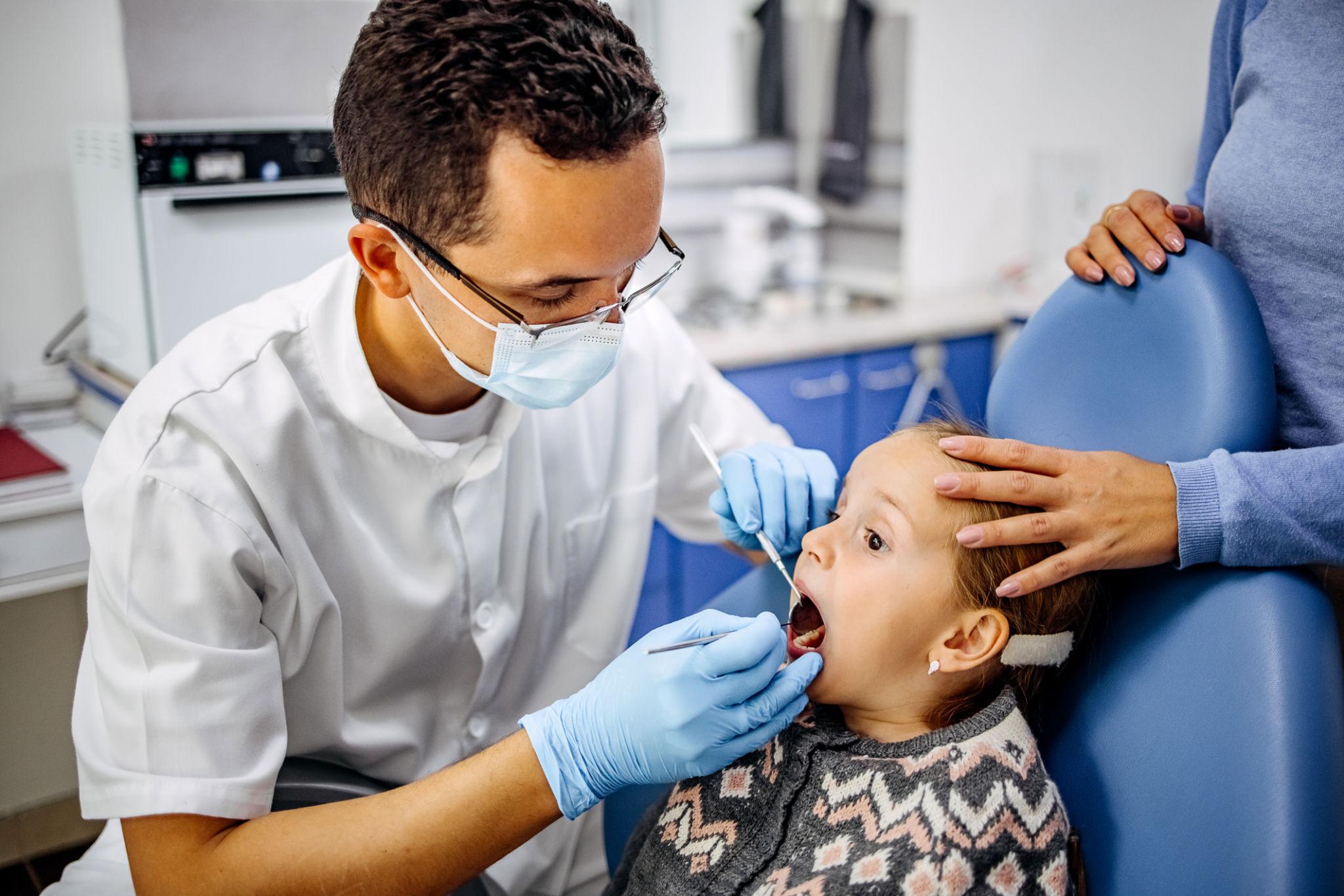
A dental emergency can happen when parents least expect it. A child may fall while playing, chip a tooth during sports, wake up with severe tooth pain, or develop swelling around the gums. In these situations, knowing when to seek an emergency dentist for kids can help parents make informed decisions and get the right care without unnecessary delays.
Children's dental emergencies require special attention because baby teeth, developing permanent teeth, and growing jaws have different treatment needs. Some problems can wait for a regular dental appointment, while others require immediate professional evaluation to prevent complications or protect a permanent tooth.
This guide explains how to recognize common pediatric dental emergencies, what to do before reaching a dentist, how to choose an emergency dental provider, and what parents should consider when arranging urgent treatment.
What Is a Dental Emergency for Kids?
A pediatric dental emergency is a dental problem that requires prompt professional attention because of significant pain, infection, injury, bleeding, or the risk of damage to a tooth or surrounding tissues.
Not every dental problem requires an emergency visit. However, waiting too long can sometimes make treatment more complicated, particularly when a child has a dental injury or signs of infection.
Common dental emergencies in children include:
- Severe or persistent toothaches.
- Knocked-out or displaced permanent teeth.
- Chipped, cracked, or broken teeth.
- Swelling of the gums, face, or jaw.
- Dental abscesses or suspected infections.
- Uncontrolled bleeding after a dental injury.
- Injuries to the mouth, lips, or surrounding tissues.
- Broken dental appliances that cause pain or injury.
Parents should also consider their child's age, the severity of the symptoms, and whether the affected tooth is a baby tooth or a permanent tooth when deciding what to do next.
What Should Parents Do During a Child's Dental Emergency?
The first priority is to keep the child calm and assess the situation. Children may become frightened by pain, blood, or an unexpected dental injury, so a reassuring approach can make it easier to provide first aid and arrange professional care.
1. Assess the Injury and Symptoms
Check whether the child is experiencing tooth pain, bleeding, swelling, or visible damage. If the injury followed a fall or accident, look for signs of a more serious head or facial injury.
If your child has difficulty breathing or swallowing, rapidly increasing swelling of the face or neck, or severe facial trauma, seek emergency medical care immediately. Do not wait for a dental appointment.
2. Contact an Emergency Dentist for Kids
Call a pediatric dentist or an emergency dentist who treats children as soon as possible. Explain the symptoms, when the problem started, and whether the child has a baby tooth or permanent tooth involved.
A dental office can help determine how quickly your child needs to be seen and explain any immediate steps to take.
When calling, provide details such as:
- Your child's age.
- The location and severity of the pain.
- Whether a tooth is loose, broken, or missing.
- Whether swelling, fever, or bleeding is present.
- Whether the injury occurred during a fall, sports activity, or another accident.
Clear information helps the dental team assess urgency and prepare for the visit.
3. Follow Appropriate First Aid
The correct response depends on the problem. Avoid attempting to repair a broken tooth, reposition a displaced tooth, or remove an object lodged in the gums.
Use the first-aid recommendations below as a starting point, but follow the dentist's instructions for your child's specific situation.
Common Dental Emergencies in Children and How to Handle Them
Severe Toothache
A sudden or persistent toothache can result from tooth decay, a cracked tooth, food trapped between teeth, or an infection.
What parents should do:
- Gently rinse the child's mouth with warm water.
- If the child can safely spit, help them rinse without swallowing the water.
- Check for visible food debris and carefully floss if it appears to be trapped between the teeth.
- Apply a cold compress to the outside of the cheek if swelling is present.
- Contact a dentist promptly, especially if the pain is severe, persistent, or interferes with eating or sleeping.
Do not place aspirin directly on the tooth or gums. This can damage the tissue. Avoid applying heat to facial swelling or giving leftover antibiotics.
A toothache accompanied by facial swelling, fever, pus, or difficulty opening the mouth needs urgent assessment. Difficulty breathing or swallowing requires emergency medical care.
Knocked-Out Tooth
A knocked-out tooth requires different handling depending on whether it is a baby tooth or a permanent tooth.
If a permanent tooth is knocked out:
- Find the tooth and pick it up by the crown, which is the visible chewing surface, rather than the root.
- If dirty, gently rinse it briefly with milk or saline. Do not scrub it or remove attached tissue.
- If the child is old enough to cooperate safely and the tooth is clearly permanent, a dentist may advise gently placing it back in its socket. Never force it.
- If reinsertion is not safe or practical, keep the tooth moist in milk or an appropriate tooth-preservation solution and get immediate dental care.
- Contact an emergency dentist immediately. Time is critical for the possibility of saving the tooth.
Do not reinsert a knocked-out baby tooth. Doing so can injure the developing permanent tooth underneath.
Chipped or Broken Tooth
A chipped tooth may cause little discomfort, while a deeper fracture can expose sensitive inner tissue and cause significant pain.
If your child breaks a tooth:
- Rinse the mouth gently with water.
- Apply clean gauze with gentle pressure if there is bleeding.
- Use a cold compress to reduce swelling.
- If possible, save any broken tooth fragments and bring them to the appointment.
- Arrange prompt dental evaluation, especially if the tooth is painful, has a large fracture, or has a visible pink or red area in the center.
A small chip may be manageable with a scheduled appointment, but a painful fracture or injury involving a permanent tooth needs faster attention.
Swollen Gums or a Dental Abscess
Swelling around a tooth can indicate an infection. A dental abscess may cause throbbing pain, gum swelling, pus, a bad taste, or facial swelling. Some children may also develop a fever.
Contact a dentist urgently if you suspect an abscess. Dental infections generally require treatment of the underlying source, not simply pain relief.
Never attempt to pop or drain a gum abscess at home. If your child develops rapidly spreading facial or neck swelling, difficulty swallowing, or breathing problems, seek emergency medical care immediately.
Bleeding After a Mouth Injury
A fall or collision can injure the lips, tongue, gums, or inside of the cheeks.
For minor bleeding, use clean gauze and apply gentle, steady pressure. A cold compress can help with swelling.
Seek urgent medical or dental care if bleeding does not stop, the wound is deep, a tooth has been displaced, or the injury involves significant facial trauma. Heavy bleeding or signs of a serious head injury require emergency medical attention.
When Should You Take Your Child to an Emergency Dentist?
Parents often struggle to decide whether a dental problem needs immediate attention or can wait until the next available appointment.
The safest approach is to call a dental professional and describe the symptoms rather than relying on pain level alone. Some serious dental injuries may initially cause limited discomfort.
Seek immediate dental evaluation for a knocked-out permanent tooth, a displaced tooth, a significant fracture, severe persistent pain, or suspected dental infection.
Contact an emergency medical service or go to an emergency department for difficulty breathing or swallowing, rapidly spreading facial or neck swelling, uncontrolled heavy bleeding, loss of consciousness, or a serious head or facial injury.
A minor chip without pain, a loose baby tooth near its natural shedding time, or mild gum irritation may not require an emergency visit. However, a dentist should evaluate the circumstances if there is uncertainty, persistent discomfort, or an injury.
How to Choose the Right Emergency Dentist for Kids
When your child is in pain, finding a reliable emergency dentist for kids quickly is essential. The right dental professional can assess the problem, recommend appropriate treatment, and help prevent further complications. However, the nearest available dental office may not always be the best choice for your child's specific needs.
Before scheduling an emergency dental appointment, consider the following factors to ensure your child receives timely and appropriate care.
Experience Treating Children
Choose a dentist who regularly treats children and understands the differences between baby teeth and developing permanent teeth.
A pediatric dentist has additional training focused on children's oral health, behavior, and dental development. A general dentist who treats children may also be able to manage many urgent dental problems.
The most appropriate provider depends on the emergency, the child's age, and the services available.
Same-Day or Emergency Appointments
Ask whether the office can evaluate your child on the same day and whether it handles after-hours emergencies.
Confirm whether the dentist can treat the specific problem or will need to refer your child to a specialist or hospital.
Clear Communication With Parents
A good emergency dental provider should explain the diagnosis, recommended treatment, possible alternatives, and expected follow-up care in understandable language.
Parents should feel comfortable asking questions about the urgency of treatment, pain management, and whether the tooth can be preserved.
Appropriate Facilities and Treatment Options
Depending on the injury, your child may need dental X-rays, treatment for a damaged tooth, infection management, or referral for specialized care.
Ask whether the office has the equipment and clinical capabilities needed for the suspected problem. A dental office may not be equipped to manage severe facial trauma or a spreading infection requiring hospital treatment.
Location and Accessibility
Search for an emergency dentist for kids near you, but also consider travel time, office availability, parking, and whether the practice offers clear instructions for after-hours care.
If your child has a serious medical emergency, do not delay treatment by traveling to a dental office that cannot provide the necessary emergency care.
How Much Does an Emergency Dentist for Kids Cost?
The cost of emergency dental care varies depending on the type of injury, the treatment required, the location of the practice, and whether the visit takes place during regular office hours.
A consultation for a toothache may cost less than treatment involving dental X-rays, a complex fracture, or an infected tooth. Restorations, extractions, and specialist referrals can increase the total expense.
Before proceeding, ask the dental office about:
- The emergency examination fee.
- The cost of any necessary X-rays.
- The estimated treatment cost.
- Whether additional appointments will be required.
- Insurance coverage, copayments, and deductibles.
- Available payment plans or financing options.
If your child needs urgent treatment, explain any budget concerns and ask the dentist to identify the medically necessary steps first. Do not delay evaluation of a potentially serious infection or permanent tooth injury solely to compare prices.
A written treatment estimate can help you understand the expected expense and distinguish the immediate treatment from optional or later procedures.
How to Prepare for an Emergency Dental Appointment
A little preparation can help the dentist assess the situation more efficiently.
Before leaving home, if it is safe to do so:
- Note when the pain or injury began.
- Bring the broken tooth or fragments if available.
- Keep a knocked-out permanent tooth moist using an appropriate method.
- Bring your child's medication and allergy information.
- Take photographs of visible swelling or injury if they may help explain how the problem has changed.
- Bring dental insurance details, if applicable.
- Follow the office's instructions about food, drinks, and medications.
Do not delay urgent care to collect paperwork or take photographs.
During the appointment, ask what caused the problem, whether the affected tooth can be saved, what treatment is recommended, and what warning signs should prompt another visit.
Common Mistakes Parents Should Avoid
When a child is in pain, even well-intentioned actions can make the situation worse.
Avoid these common mistakes:
- Waiting too long: Persistent pain, swelling, or a dental injury should not be ignored simply because the symptoms temporarily improve.
- Treating a baby tooth like a permanent tooth: Never reinsert a knocked-out baby tooth.
- Using home remedies as a substitute for treatment: Clove oil, unprescribed antibiotics, and other home remedies may irritate tissues or delay appropriate care.
- Applying aspirin directly to the gums: This can cause chemical irritation or burns.
- Forcing a damaged tooth back into position: A displaced tooth needs professional assessment.
- Choosing a provider based only on price: Experience, availability, appropriate facilities, and the ability to manage the injury are important considerations.
- Ignoring follow-up instructions: A tooth may need monitoring even after the initial pain or bleeding has stopped.
If you are unsure whether a symptom is serious, contact a dental professional for guidance rather than attempting an unverified home treatment.
How Can Parents Help Prevent Future Dental Emergencies?
Not every dental emergency can be prevented, but several practical habits can reduce the risk of injuries and untreated dental problems.
Encourage your child to brush twice daily with fluoride toothpaste appropriate for their age and to clean between the teeth as recommended by their dentist. Schedule regular dental checkups so that cavities and other problems can be identified before they become painful.
For children who participate in contact sports or activities with a risk of falls, ask the dentist about a properly fitted mouthguard. A well-fitted mouthguard can help protect the teeth and soft tissues from certain sports-related injuries.
Parents should also keep an age-appropriate dental first-aid kit available. Useful supplies may include clean gauze, a cold pack, and the contact details of the child's dentist. A tooth-preservation solution can be useful for families involved in activities where dental injuries are more likely.
Finally, teach children to report tooth pain early instead of hiding it out of fear of dental treatment.
Frequently Asked Questions
1. When should I call an emergency dentist for kids?
Call an emergency dentist if your child has severe or persistent tooth pain, a broken or displaced tooth, a knocked-out permanent tooth, significant oral bleeding, or swelling that may indicate an infection. Difficulty breathing or swallowing, rapidly spreading facial swelling, or severe trauma requires emergency medical care.
2. Can a child go to an emergency dentist without an appointment?
Some dental offices accept walk-in patients, while others require a phone call before arrival. Calling first helps the office assess the urgency, confirm availability, and determine whether it can treat your child's problem.
3. What should I do if my child's permanent tooth gets knocked out?
Pick up the tooth by its crown, avoid touching the root, and keep it moist. If appropriate and safe, a dentist may advise gently reinserting it without force. Otherwise, store it in milk or a suitable tooth-preservation solution and seek immediate dental care. Do not reinsert a baby tooth.
4. Is a child's toothache always a dental emergency?
Not every toothache requires immediate emergency treatment, but persistent or severe pain should be evaluated promptly. Pain accompanied by fever, facial swelling, pus, or difficulty opening the mouth can indicate a serious problem that needs urgent care.
5. How much does an emergency dentist for kids cost?
Costs depend on the examination, X-rays, treatment, location, and insurance coverage. Ask the office for an estimate that separates the consultation fee from additional treatment costs. Severe injuries and infections may require more extensive care.
6. Can an emergency dentist save a broken permanent tooth?
In many cases, a dentist can repair a broken permanent tooth, but the appropriate treatment depends on the size and location of the fracture and whether the inner tooth tissue is affected. Prompt assessment improves the opportunity to choose appropriate treatment.
7. Should I take my child to the emergency room or a dentist?
A dentist is generally the appropriate first contact for toothaches, broken teeth, and many dental injuries. However, breathing or swallowing difficulties, rapidly spreading facial or neck swelling, uncontrolled heavy bleeding, or serious head and facial trauma require emergency medical care.
8. What should I look for in an emergency dentist for kids near me?
Look for a provider experienced in treating children, with appropriate emergency availability and the ability to manage your child's specific problem. Ask about examination fees, treatment options, insurance, and after-hours instructions before arranging care when time permits.
Conclusion
A child's dental emergency can be stressful, but knowing how to respond helps parents make safer and more informed decisions. From a severe toothache to a knocked-out permanent tooth, the right first-aid steps and timely professional evaluation can make a meaningful difference in treatment options and recovery.
When searching for an emergency dentist for kids, prioritize appropriate pediatric experience, prompt availability, clear communication, and the ability to address your child's specific dental needs. Ask about costs and insurance coverage, but do not allow price comparisons to delay urgent evaluation.
If your child is experiencing dental pain, swelling, bleeding, or a tooth injury, contact a qualified dental professional for guidance and arrange an appropriate evaluation. Acting promptly can help protect your child's oral health and provide greater peace of mind for your family.