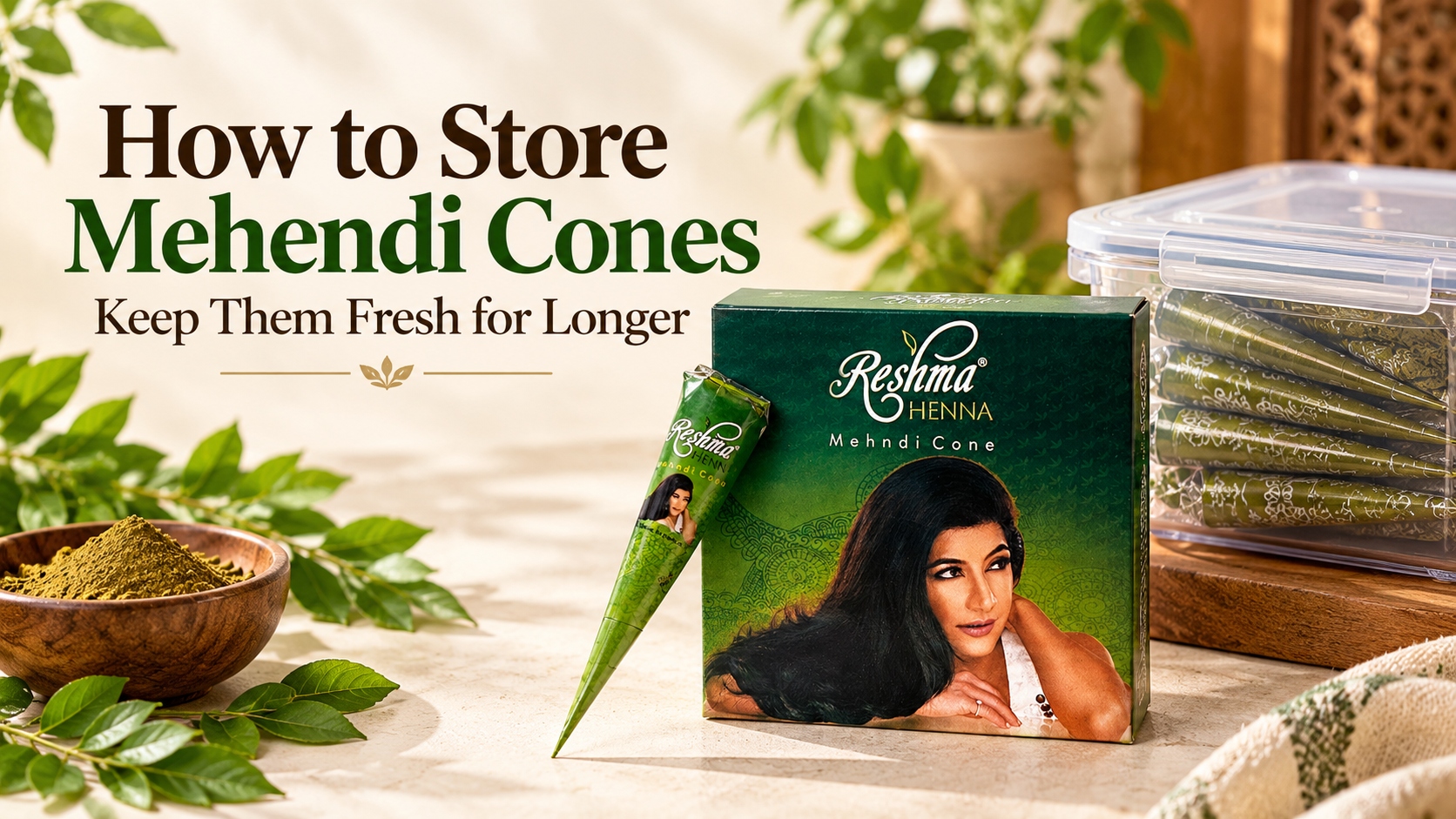
Mehendi cones are an essential part of creating beautiful henna designs for weddings, festivals, parties, and everyday occasions. Whether you apply mehendi at home or work as a professional mehendi artist, keeping your cones fresh is important for achieving smooth application and consistent results. Improper storage can affect the texture of the henna paste, make it difficult to squeeze the cone, and reduce the quality of the final stain.
Knowing how to store mehendi cones correctly can help you maintain their usability, avoid unnecessary waste, and get better value from every purchase. The right storage method depends on the ingredients used in the cone, whether it has been opened, and when you plan to use it.
In this guide, you will learn how to store mehendi cones at room temperature, in the refrigerator, and in the freezer, along with practical tips for choosing quality cones and avoiding common storage mistakes.
Why Is Proper Storage Important for Mehendi Cones?
Mehendi cones contain henna paste that can change over time due to exposure to air, heat, light, and moisture. These factors may affect the paste's consistency, application performance, and ability to produce a good stain.
Proper storage is important for several reasons.
Maintains paste consistency: Correct storage helps prevent the paste from drying out or becoming difficult to squeeze through the cone tip.
Helps preserve staining potential: Natural henna paste contains lawsone, the pigment responsible for staining the skin. Its performance can decline as the paste ages, particularly when exposed to heat.
Reduces waste: Storing unused cones correctly can help you avoid throwing away products before their intended use.
Supports smoother application: Fresh, properly stored paste is generally easier to apply when its consistency and cone tip remain in good condition.
Helps protect product quality: Keeping cones sealed and away from contaminants reduces the risk of contamination during storage.
However, proper storage cannot restore an old or damaged cone. Always check the manufacturer's storage instructions, ingredients, and recommended use period before deciding how to store your mehendi cones.
How to Store Mehendi Cones at Room Temperature
Room-temperature storage may be suitable for some commercially prepared mehendi cones, particularly when the packaging specifies that they can be kept under those conditions. However, natural henna paste is sensitive to heat, so room temperature is not always the best option for long-term storage.
Follow these steps if the product instructions allow room-temperature storage.
1. Keep the Cones Away from Direct Sunlight
Sunlight can heat the paste inside the cone and may accelerate the loss of staining performance. Avoid placing mehendi cones on windowsills, near balconies, inside hot vehicles, or beside appliances that generate heat.
Instead, store them in a cool, dry cupboard away from direct sunlight.
2. Keep the Original Packaging Intact
If the cones come in a sealed packet, keep them inside their original packaging until you are ready to use them. The packaging can help protect the cones from dust, air exposure, and accidental damage.
If the package has been opened, place the remaining cones in a clean, airtight container or a suitable sealed bag. Keep the product label available so you can refer to its expiry date and storage instructions.
3. Avoid Hot and Humid Locations
Kitchens, bathrooms, and areas near cooking appliances may expose mehendi cones to temperature changes and humidity.
Choose a storage location with a stable temperature. If your room becomes very hot, especially during Indian summers, refrigeration may be more appropriate for cones that require cool storage.
4. Check the Recommended Use Period
Do not assume that every mehendi cone will remain fresh for the same number of days at room temperature. Shelf life depends on the formulation, preservatives if any, packaging, and manufacturing process.
Use the manufacturer's stated expiry date and storage guidance rather than relying on a general estimate.
How to Store Mehendi Cones in the Refrigerator
Refrigeration is often a practical option for preserving natural henna paste that will not be used immediately, provided the product is suitable for refrigerated storage.
Follow these steps to store mehendi cones in the refrigerator.
Step 1: Seal the Cones Properly
Place the cones in their original sealed packet if possible. For opened packets, use a clean, airtight container or a well-sealed freezer-safe bag.
Remove excess air from the bag without crushing or bending the cones. Ensure that the tips are not punctured and the paste cannot leak.
Step 2: Store Them Away from Moisture
Keep the cones away from spills, wet surfaces, and condensation. Moisture entering damaged packaging can affect product quality.
A separate sealed container can provide additional protection from food odours and accidental contact with other refrigerator contents.
Step 3: Label the Storage Date
If you purchase several packs of mehendi cones, mark the date they were opened or placed in the refrigerator.
Use the oldest suitable pack first, provided it remains within the manufacturer's recommended use period and has been stored correctly.
Step 4: Follow the Manufacturer's Temperature Guidance
Not every commercial henna formulation has identical storage requirements. Some products may specify refrigeration, while others may have different instructions.
Follow the temperature range printed on the packaging. Refrigeration can slow deterioration, but it does not make an expired or contaminated product safe to use.
Can You Freeze Mehendi Cones to Keep Them Fresh Longer?
Freezing can be useful for natural henna cones that will not be used for several weeks or that are being stored for a future event. Many natural henna preparations are frozen to help preserve their staining potential, but the suitability of this method depends on the formulation and manufacturer guidance.
If freezing is recommended for your cones, use the following method.
1. Choose Freezer-Safe Packaging
Place the cones in a sealed freezer-safe bag or airtight container. Protect the cone tips from bending, puncturing, or crushing.
If you have multiple cones, arrange them so that you can remove individual cones without repeatedly exposing the remaining ones to room temperature.
2. Freeze the Cones Promptly
For natural henna paste intended for freezing, place the cones in the freezer as soon as practical after purchase, following the product's storage instructions.
Avoid leaving them in a warm room for extended periods before freezing. Heat exposure before storage may already have affected their quality.
3. Take Out Only What You Need
If you have purchased cones for a wedding or a large event, divide them into smaller sealed portions before freezing. This allows you to take out the quantity required without repeatedly warming the entire supply.
4. Thaw the Cones Carefully
When you are ready to use a frozen cone, allow it to thaw while sealed, following the manufacturer's instructions. This can help reduce condensation forming directly on the cone.
Let the paste reach a comfortable application temperature before use. Do not use a microwave or direct heat to speed up thawing.
5. Avoid Repeated Freeze-Thaw Cycles
Repeated temperature changes can affect the quality of some henna preparations and increase the chance of condensation. Remove only the quantity you need and avoid refreezing cones unless the manufacturer specifically confirms that doing so is appropriate.
For professional mehendi artists, portioning cones before freezing can be especially useful because it makes stock management easier before busy wedding and festival seasons.
How to Store Opened Mehendi Cones After Use
Once a mehendi cone has been opened, its storage requirements become more important. Air exposure, handling, and contact with skin or other surfaces may affect the remaining paste.
Use these precautions to protect an opened cone.
Wipe the outside of the cone with a clean tissue if necessary, without pushing material back into the tip.
Close the opening using a clean, suitable cap or method recommended by the manufacturer.
Place the cone in a sealed bag or airtight container.
Store it at the temperature specified on the packaging.
Mark the opening date if you expect to use the cone again.
Avoid sharing an opened cone between users, particularly if the tip has contacted skin.
An opened cone should not automatically be treated as fresh simply because it has been refrigerated. Its condition depends on the ingredients, storage history, and handling.
If the tip becomes blocked, do not force the cone aggressively, as this may cause the packaging to split or paste to leak. Check whether the tip can be cleared safely according to the manufacturer's directions.
How to Tell If Mehendi Cones Have Lost Their Quality
Before applying mehendi, inspect the cone carefully. Although appearance alone cannot establish whether a product is safe, certain changes can indicate that it should not be used.
Look for Changes in the Paste
Natural henna paste may change in colour or consistency over time. However, a colour change alone does not necessarily mean the product has spoiled.
Be cautious if the paste appears unusually dry, separated, watery, or difficult to apply compared with its original condition.
Check the Smell
Natural henna paste may have a distinctive herbal smell. A strong, unexpected, rancid, or otherwise unpleasant odour is a reason to stop using the product.
Do not taste the paste or attempt to confirm its quality through direct skin application.
Inspect the Cone Packaging
Avoid using cones that have:
Leaking or punctured packaging.
Broken seals on products sold as sealed.
Visible mould or unusual growth.
Unexplained swelling or damage.
Missing or unreadable expiry information when the product's age cannot be established.
When in doubt, discard the cone rather than risk using a compromised product.
Be Careful With Black Henna Cones
The term "black henna" deserves particular caution. Some products marketed this way contain para-phenylenediamine (PPD), a chemical that can cause serious skin reactions, including blistering and lasting sensitivity.
Do not assume a cone is safe because it is labelled natural, herbal, or organic. Check the ingredient list, buy from a reputable seller, and avoid products with undisclosed ingredients. Pure henna generally produces an orange to reddish-brown stain rather than an instant jet-black stain.
Common Mistakes to Avoid When Storing Mehendi Cones
Even good-quality cones can lose their usefulness if stored incorrectly. Avoid these common mistakes.
Leaving Cones in a Hot Car
The temperature inside a parked car can rise significantly, even when the weather outside feels moderate. Never leave mehendi cones in a vehicle for extended periods.
Keeping Cones Near a Window
Direct sunlight can heat the paste and packaging. Store cones in a shaded cupboard or another location recommended by the manufacturer.
Leaving the Packet Open
An open packet exposes cones to air, dust, and possible contamination. Reseal the package after taking out the cones you need.
Assuming Refrigeration Makes Every Cone Last Longer
Refrigeration may be beneficial for certain formulations, but not all products have the same storage requirements. Always follow the label.
Ignoring Expiry Dates
A cone may look normal and still have reduced staining performance or compromised quality. Check expiry information before use, especially when buying in bulk.
Buying More Cones Than You Can Use
Purchasing a large pack may appear economical, but unused cones can go to waste if their recommended use period expires. Estimate your requirements before ordering and choose pack sizes that match your usage.
How to Choose Mehendi Cones That Are Easier to Store
Good storage begins with selecting a suitable product. Before buying mehendi cones online or from a local shop, consider the following factors.
Ingredients and Formulation
Read the ingredient list carefully. If you prefer natural henna, look for products with clearly disclosed ingredients and avoid cones containing undisclosed dyes or chemicals.
The ingredient list is also important because different formulations may require different storage temperatures.
Manufacturing and Expiry Dates
Choose cones with clearly stated manufacturing or packing details, expiry information where applicable, and storage instructions.
If you are buying several packs for a wedding, ensure that the cones will remain within their recommended use period until the event.
Packaging Quality
Well-sealed packaging helps protect cones during transport and storage. Check that the packet is intact and that the cones are not leaking, crushed, or damaged.
For online orders, review the seller's product details, packaging information, and return policy before purchasing.
Cone Tip and Application Quality
The cone should be comfortable to hold and capable of dispensing paste smoothly. A suitable tip makes it easier to create fine lines, intricate bridal patterns, and simple everyday designs.
If you are a beginner, choose cones that offer manageable paste flow. Professional artists may prefer cones that provide consistent control for detailed designs.
Price and Pack Size
The cheapest pack is not always the best value. Compare the price per cone, quantity required, product ingredients, packaging quality, and expected storage needs.
For occasional home use, a smaller pack may be more practical. For professional artists, larger packs can be useful if there is sufficient demand and suitable storage space.
How Many Mehendi Cones Should You Buy at Once?
The right quantity depends on the complexity of the designs, the number of people, and how frequently you apply mehendi.
For occasional personal use, buy only enough cones for your immediate requirements. This reduces the risk of keeping unused products beyond their recommended use period.
For weddings and festivals, estimate the number of people and the design coverage required. Intricate bridal mehendi may need more paste than a small floral design on one hand.
Professional mehendi artists should also consider their booking schedule, average cone consumption, and freezer or refrigerator capacity when applicable.
If you regularly purchase mehendi cones online, maintaining a simple stock record with purchase dates and expiry details can help you use suitable older stock first and avoid unnecessary purchases.
Frequently Asked Questions About Storing Mehendi Cones
1. Should mehendi cones be kept in the refrigerator?
Refrigeration may be suitable for natural henna cones that require cool storage. Check the product label for specific temperature guidance. Some commercially prepared cones may have different requirements.
2. Can I store mehendi cones in the freezer?
Yes, freezing may help preserve certain natural henna preparations for later use when the manufacturer recommends it. Seal the cones properly, protect their tips, and follow the recommended thawing instructions.
3. How long do mehendi cones stay fresh?
There is no single shelf-life period for every mehendi cone. Freshness depends on the formulation, ingredients, packaging, storage temperature, and manufacturing date. Follow the manufacturer's expiry and storage instructions.
4. Can I use mehendi cones after the expiry date?
It is best to follow the manufacturer's expiry guidance and avoid using expired cones. Even if the paste looks normal, its quality and staining performance may have changed.
5. Why is my mehendi cone difficult to squeeze?
The paste may have dried near the tip, the opening may be blocked, or the paste may have changed consistency during storage. Check the tip and product instructions rather than squeezing with excessive force.
6. Does freezing help mehendi produce a darker stain?
Freezing can help preserve the staining potential of certain natural henna pastes, but it does not guarantee a darker result. Stain colour also depends on the henna formulation, application time, skin, and aftercare.
7. Can I reuse an opened mehendi cone the next day?
This depends on the product, its handling, and its storage instructions. Seal it properly, store it at the recommended temperature, and inspect it before use. Do not reuse a cone if it may have become contaminated or shows signs of deterioration.
8. How can I keep mehendi cones fresh during travel?
Keep the cones sealed and protected from direct sunlight, hot vehicles, and physical damage. If the product requires refrigeration or freezing, plan suitable temperature-controlled transport. Do not assume an insulated bag alone will maintain the required temperature for an extended period.
Conclusion
Storing mehendi cones correctly can help preserve their consistency, staining potential, and usability for as long as the manufacturer's recommended storage period allows. Keep them away from direct sunlight and excessive heat, seal opened packets carefully, and use refrigeration or freezing only when appropriate for the formulation.
Before using any cone, check its packaging, expiry information, smell, and overall condition. Choosing well-packaged products with clearly listed ingredients and storage instructions also makes it easier to plan purchases and reduce waste.
Whether you need mehendi cones for everyday designs, festive celebrations, or bridal applications, choose a product that suits your needs and follow its storage guidance from the day you purchase it. Explore suitable mehendi cones from a trusted seller, check the product details before ordering, and store them correctly so they are ready when you need them.